As the new academic year approaches, University of Washington students and faculty are gearing up for a busy schedule of registration deadlines, add‑drop windows, midterm and final exam periods, and key holiday breaks. Knowing these dates in advance is essential for smooth course planning, budget management, and balancing extracurricular commitments.
Why the Calendar Matters for Every Student
Missing a registration deadline can lock a student into a crowded class or force them into a lower‑level course. The add‑drop period is a narrow window to fine‑tune a schedule after a few weeks of coursework, while the withdrawal deadline protects academic standing and health insurance eligibility. Moreover, midterm and final exam windows dictate when to allocate study time and when to book travel or accommodation for those with family commitments. For faculty, these dates affect faculty‑student meetings, grading deadlines, and conference travel plans.
Typical UW Calendar Highlights
While the specific dates vary year‑to‑year, the University of Washington follows a predictable structure each semester:
- Fall Semester
- Registration: early August
- Add‑drop: first week of September
- Midterm exams: early October
- Final exams: mid‑November to early December
- Spring Semester
- Registration: early January
- Add‑drop: first week of February
- Midterm exams: early March
- Final exams: late March to early April
- Summer Sessions
- Shorter registration window: late March
- All courses: mid‑April to early July
- Holiday Breaks
- Winter break: mid‑December to early January
- Spring break: mid‑March
- Summer break: late May to early August
Practical Tips for Meeting Every Deadline
1. Set Calendar Alerts – Plug the key dates into a digital calendar and set reminders at least one week in advance.
2. Plan Early for Course Load – Review required core courses and electives ahead of time; the earlier you register, the broader your choice.
3. Use the Add‑Drop Window Strategically – If a class is full or a professor’s style doesn’t align with your learning preference, the first week of September (Fall) or February (Spring) is your last chance to switch without penalty.
4. Map Exam and Project Timelines – Align your midterm and final schedules with other commitments such as internships or part‑time work to avoid overlapping deadlines.
Balancing the Trade‑offs
While a tightly packed calendar can help students stay focused, it also reduces flexibility. Choosing a heavy course load may limit time for research or volunteering, and early registration can lock students into a timetable that is difficult to adjust later. Conversely, waiting until the last moment to register can leave students with fewer options and higher tuition if they must enroll in a higher‑fee course. The key is to strike a balance: secure the core courses early, then use the add‑drop period to fine‑tune electives that fit your career goals and personal interests.
Implications for Faculty and Staff
Faculty must align grading schedules with the official exam periods to avoid grading delays. Academic advisors should guide students through the intricacies of the withdrawal deadline, which affects financial aid and insurance. Administrative staff needs to maintain clear communication about any calendar changes—especially when weather or health crises force a reschedule.
Preparing for the Unexpected
In recent years, unexpected events like pandemic lockdowns or major campus renovations have pushed the UW to adjust dates. Students and faculty should stay attuned to official announcements on the university’s website and through campus email alerts. A proactive approach—checking the calendar monthly and discussing plans with advisors—ensures that no critical date slips through the cracks.
Ultimately, understanding the UW academic calendar is not just about meeting deadlines; it’s about designing a semester that maximizes learning, minimizes stress, and aligns with long‑term academic and career objectives.

Social Media Make Critical Thinking Critical

Social media make critical thinking critical
Free Pearson's Red Critical Thinking PowerPoint Diagram - Free
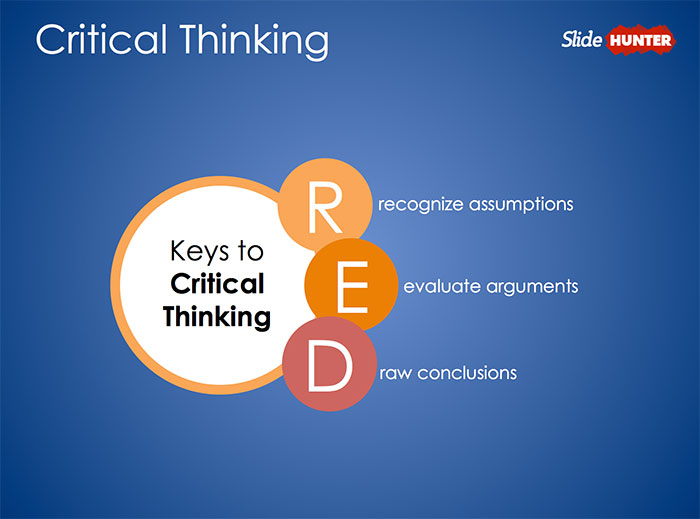
Free Pearson's Red Critical Thinking PowerPoint Diagram - Free ...
Critical Thinking | English Composition 1
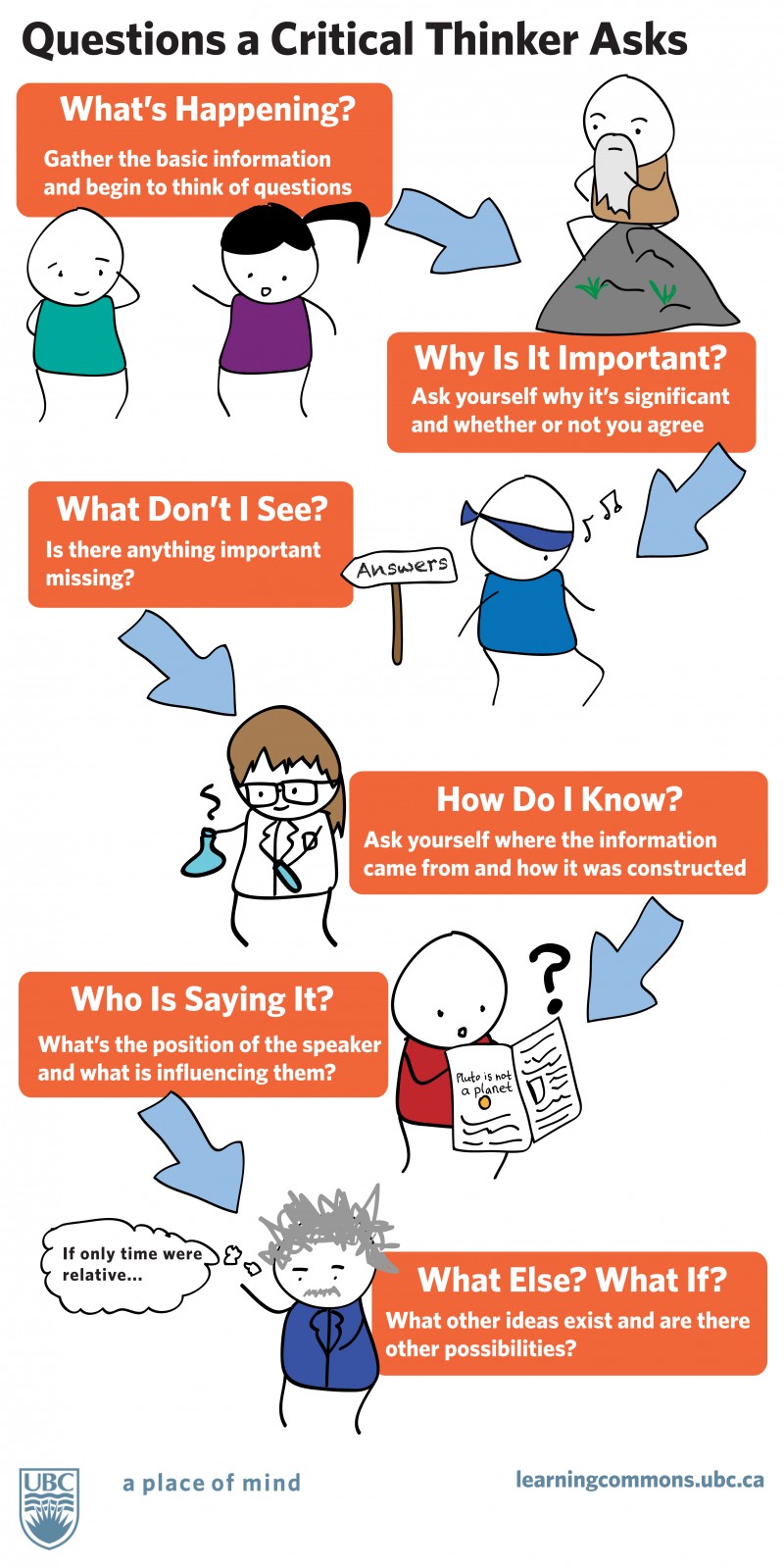
Critical Thinking | English Composition 1
Evren's Blog: Applying Critical Thinking Activities In EFL Classes

Evren's Blog: Applying Critical Thinking Activities in EFL classes